Somewhere around age seven for most dogs, and a few years later for most cats, the vet starts using the word senior, and owners hear a verdict. It is not one. Senior is a care plan, not a prognosis: the same pet, with a schedule tuned to an older body, twice-yearly exams, bloodwork that tracks trends, and home routines adjusted before small stiffnesses become big limitations.
This guide lays out what changes in a senior pet, what the twice-yearly rhythm catches, and the home adjustments around Mooresville life, from stairs to summer heat, that add good years rather than just years.
What changes, system by system
Kidneys filter a little less each year, which is why water intake is the home number to watch. Joints wear, and arthritis hides in cats especially, where it reads as sleeping more and jumping less rather than limping. Teeth accumulate disease. The thyroid drifts, up in older cats, sometimes down in dogs. Cancer risk rises with age, which makes every new lump worth a prompt needle check rather than a season of watching. Vision and hearing fade gradually, and pets compensate so smoothly that owners notice late.
None of this is a reason for dread. Nearly all of it is manageable when caught on the twice-yearly rhythm, with medication, diet, or simple home changes, and unmanageable mainly when it is found a year late.
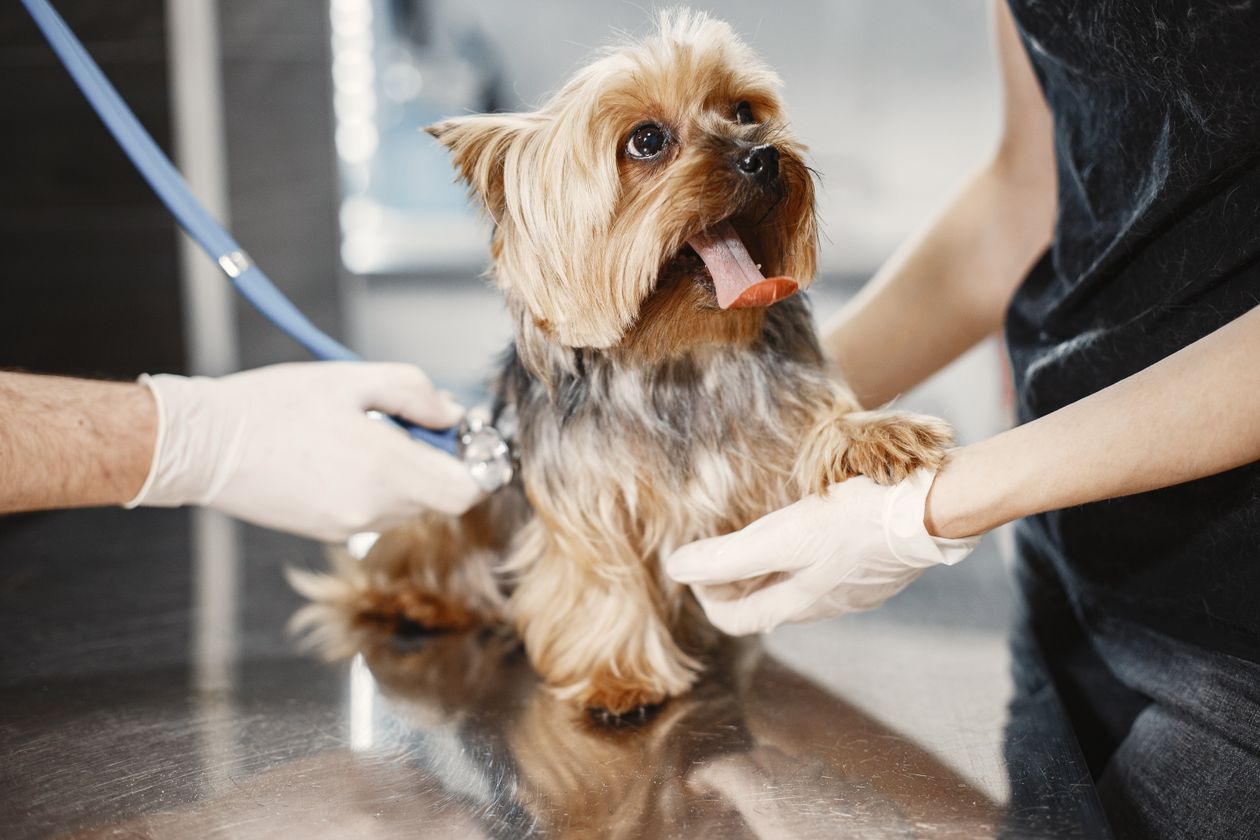
Bloodwork deserves its own paragraph because it is where senior care quietly wins. A senior panel run twice a year builds a trend line for kidneys, liver, blood sugar, and thyroid, and trend lines catch disease in the season it starts rather than the year it declares itself. A single value inside the normal range matters less than three values marching in one direction. This is also why keeping one clinic matters for seniors: the record is the instrument, and a record scattered across four providers has gaps exactly where the trend should be.
Home adjustments that earn their keep
Put traction where the senior pet actually walks: rugs on slick floors along the route from bed to door. Raise food and water bowls for large dogs with neck or shoulder arthritis. Add a step or ramp to the one jump that matters, the bed or the car, and protect it rather than asking for the jump daily. Keep nails short, because long nails change how an arthritic foot lands. In Piedmont summers, walk seniors in the cool of morning, since older hearts and lungs handle heat poorly, and never leave an old dog in a warming car for even a short errand.
Weight is the highest-leverage variable you control. An overweight senior carries arthritis, diabetes risk, and breathing load that no medication fully offsets. Your vet can set a target weight and a measured feeding plan at the senior visit. Follow it with a kitchen scale for a month and most owners find the pet was eating a third more than they believed.
The quality-of-life conversation
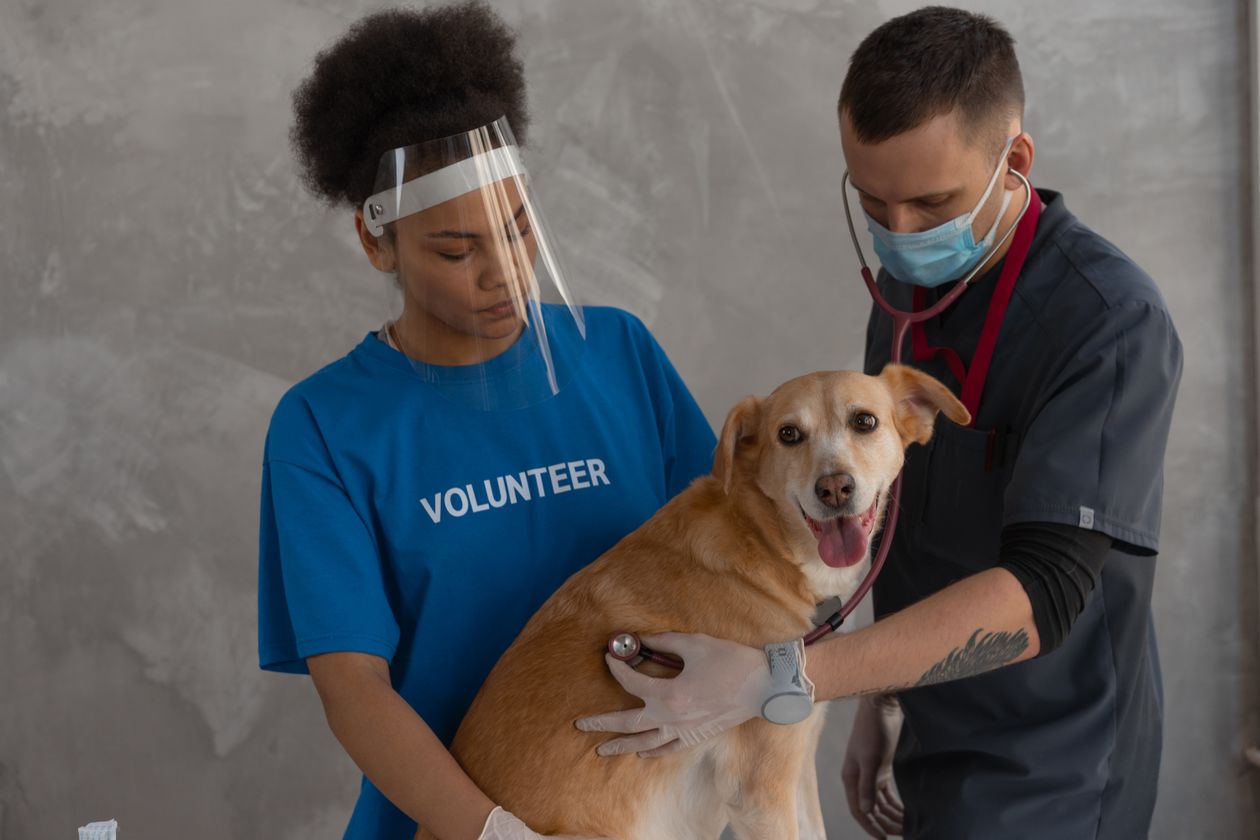
Good senior care includes, eventually, an honest framework for the end: what your pet loves, what a bad day looks like, and how you will know when bad days outnumber good. Vets would rather have that conversation a year early than a day late. A practice like Village Animal Hospital, that has watched your pet across its life, is the right partner for it. Senior years handled this way are not a decline to endure. They are often the sweetest, steadiest chapter of owning the animal.
Common questions
When is a cat considered senior?
Most cats enter senior care around age ten, with the twice-yearly rhythm and bloodwork, including thyroid checks, becoming standard. Indoor cats commonly live well into their late teens with that care.
My senior dog still acts young. Do we need twice-yearly visits?
Yes, and acting young is exactly when the visits pay. Bloodwork trends and early findings are only useful when collected before symptoms. The visit is how acting young gets extended.
How can I tell if my senior pet is in pain?
Watch for life shrinking: fewer jumps, shorter walks chosen by the dog, sleeping in new spots, grooming changes in cats, irritability at touch. Pets rarely cry out. They quietly do less.
Photos in this guide are representative stock images.
← All guides from Village Animal Hospital← Back to Village Animal Hospital