The first year of a puppy or kitten's life packs in more veterinary care than the next five years combined: a vaccine series on a three to four week drumbeat, deworming, microchip and spay or neuter decisions, and a socialization window that closes whether you used it or not. Owners who see the whole year laid out once make better decisions at each visit.
Here is that year for Mooresville families, in order, with the reasoning attached so the schedule reads as a plan rather than a billing pattern.
- First visit within days of coming home: full exam, stool check, vaccine record review, feeding and house training plan.
- Vaccine visits every 3-4 weeks until about 16 weeks, completing the core series as maternal immunity fades.
- Rabies vaccination in the first months, as North Carolina law requires, with the certificate kept for groomers and camps.
- Deworming on the puppy and kitten schedule, plus a fecal test, since young animals commonly carry parasites from birth.
- Heartworm prevention started in puppyhood and continued monthly for dogs, year-round in North Carolina.
- Flea and tick prevention started at the age and weight your vet sets, in a state where ticks work most of the year.
- Microchip placed, commonly at the spay or neuter visit, and registered with your current phone number.
- Spay or neuter timed with your vet by breed and size, often around six months, later for some large breed dogs.
- Socialization running in parallel: people, sounds, handling, car rides, and calm dog introductions in the early window.
- One-year booster visit that converts the series into the adult rhythm of annual exams.
The socialization window is a medical item
Between about three and sixteen weeks, young animals form durable opinions about the world at a speed they never match again. Handled well, with positive exposure to people, surfaces, sounds, vet handling, and safe dogs, that window produces the adult that rides in cars, tolerates exams, and boards calmly. Missed, it produces the fear and reactivity that fill behavior consultations later. The tension is real: the window overlaps the vaccine series, when disease risk argues for caution. The working compromise vets teach is controlled exposure: carried outings, clean homes of vaccinated dogs, puppy classes with vaccine requirements, and no dog parks or pet store floors until the series completes.
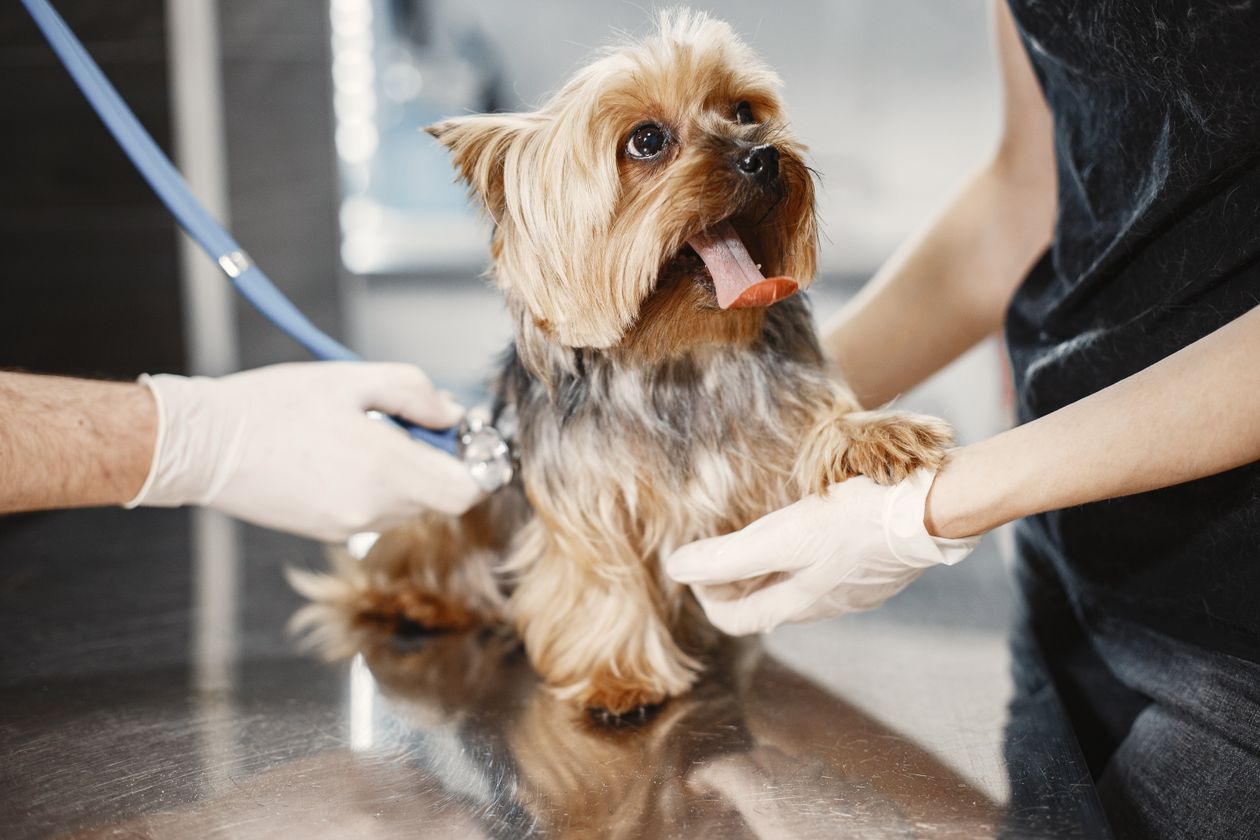
Costs in the first year surprise new owners, so plan for the shape of them: a cluster of visits in the first four months, the surgery in the middle, then quiet. Discussed in relative terms, the whole first year of preventive care costs far less than one emergency night for a parvo puppy, an obstructed kitten, or an unspayed dog with a uterine infection. That arithmetic, more than any lecture, is the case for keeping every appointment in the series even when the youngster looks indestructibly healthy.
Also settle the records habit in year one. Keep the vaccine certificate, the microchip number, and a phone photo of both in the same place you keep your own documents. Boarding camps, groomers, emergency clinics, and a future move all ask for exactly those two pieces of paper, and the families who can produce them in thirty seconds have smoother everything.
Decisions to make with your vet, not the internet
Spay and neuter timing has become a genuine discussion, especially for large breed dogs, where growth and joint considerations can argue for waiting, balanced against behavior and unwanted litters. Food choice needs one conversation about life-stage diets and one about the grain-free trend and its heart concerns in dogs. Training and biting, litter box counts for kittens, and pet insurance all fit the first year better than year three.
Bring your questions written down. First-year visits at a clinic like Village Animal Hospital move fast because the medical list is long, and the owners who get the most from them treat each visit as a standing appointment with an expert who is watching their animal grow up in real time.
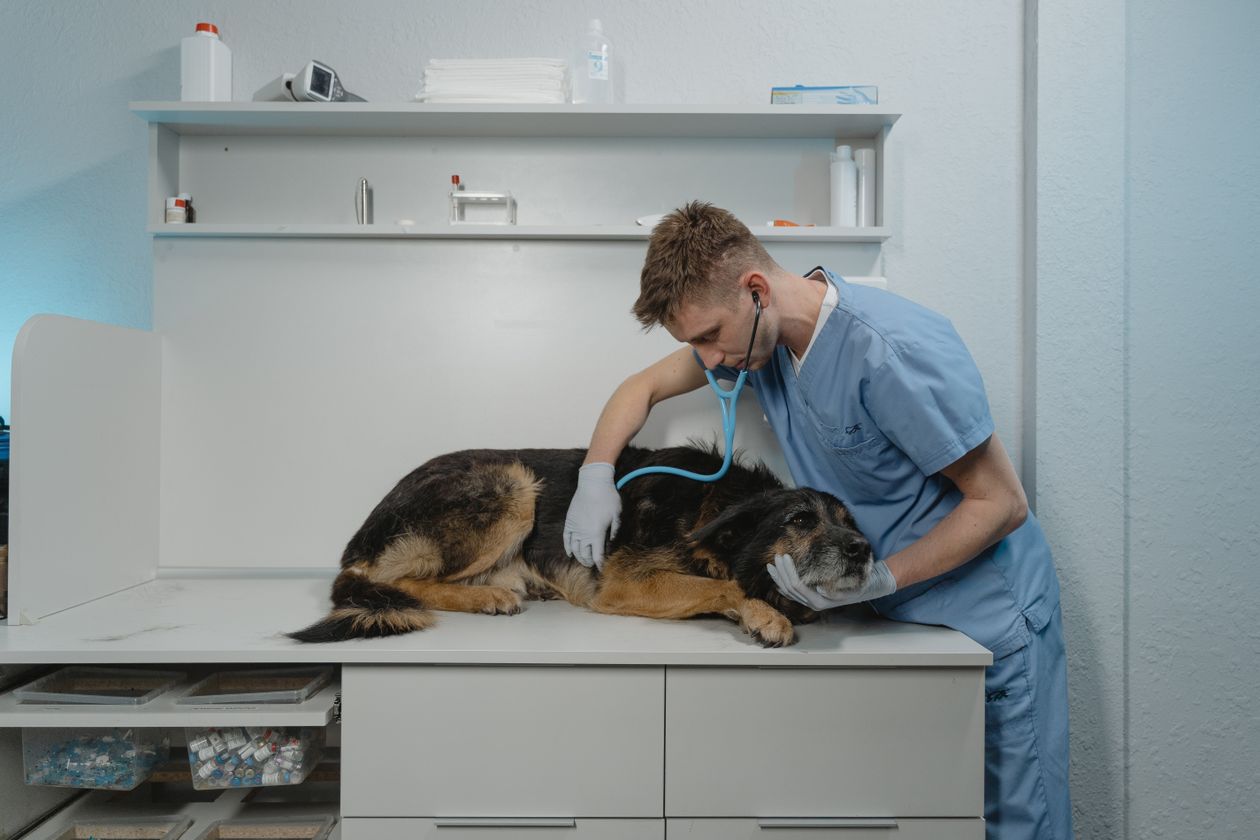
Common questions
How many vet visits does a puppy need in the first year?
Typically three to four visits for the vaccine series in the first months, the spay or neuter procedure, and a one-year booster visit. Kittens follow a similar rhythm.
When should spay or neuter happen?
Often around six months for cats and small dogs, with large breed dogs sometimes waiting longer for growth reasons. It is a breed and lifestyle decision to make directly with your vet.
Can my puppy meet other dogs before shots are done?
Yes, with care: vaccinated dogs in clean private homes and vaccine-checked puppy classes are the standard safe route. Avoid dog parks, pet store floors, and unknown dogs until the series completes.
Photos in this guide are representative stock images.
← All guides from Village Animal Hospital← Back to Village Animal Hospital