Pet surgery day runs on preparation. Most surgical risk and most recovery trouble trace back to small things done or missed before the pet ever reaches the table: a breakfast that should not have happened, a medication nobody mentioned, a discharge instruction half-heard while the pet cried in the carrier. This guide is the calm version, built for Mooresville owners facing a spay, a neuter, a dental, or a lump removal.
Follow the steps in order and surgery day becomes what it should be: a boring day for you and a well-managed one for your pet.
- The week before. Confirm the date, the drop-off time, and fasting instructions with the clinic. Mention every medication and supplement your pet takes, including the ones from another vet or a store shelf.
- The night before. Feed a normal dinner, then remove food at the time the clinic sets, commonly late evening. Water usually stays available longer, often until morning. Ask, because instructions differ by age and condition.
- The morning of. No breakfast, even a small one, and no raiding the other pet's bowl. A calm walk for dogs, a quiet carrier for cats, and arrival at the set time so pre-surgery bloodwork and exams run on schedule.
- At drop-off. Review the estimate, the contact number where you will actually answer, and when to expect the update call. Sign forms while you are calm and have time to read them.
- During the day. The clinic runs pre-anesthesia bloodwork, places an IV, monitors heart, oxygen, and temperature through the procedure, and manages pain before the pet wakes, not after it complains.
- Pickup. Listen to discharge instructions with the pet still in the back if you can, or take them in writing: feeding tonight, medications, activity limits, and what the incision should look like day by day.
- The first 48 hours. Quiet confinement, leash walks only for dogs, the cone or recovery suit on without negotiations, and a daily look at the incision. Grogginess and a skipped meal the first evening are normal.
- The recheck. Keep the suture or progress check appointment even when everything looks perfect. It is how small problems get caught while they are still small.
Questions owners forget to ask, answered here: yes, give regular medications on surgery morning only if the clinic says so, and ask specifically, because some drugs continue and some pause. Yes, bring the cone from home if you own one that fits, and the clinic will supply one if not. No, do not bathe the pet the night before unless asked; skin oils are not the enemy and a wet, stressed pet at drop-off helps nobody. And yes, it is normal to feel guilty driving away from the drop-off door. Every owner does. The staff chose this work knowing that feeling is part of the job.
Why fasting matters enough to enforce
Anesthesia relaxes the reflexes that keep stomach contents down. Food in the stomach raises the risk of vomiting and aspiration during the procedure, which turns a routine surgery into a complicated one. That is why clinics ask directly at drop-off, and why a pet that got into breakfast may be honestly rescheduled. It is not punishment. It is the cheapest safety rule in all of surgery, and it only works if owners report the toddler's dropped cereal honestly.
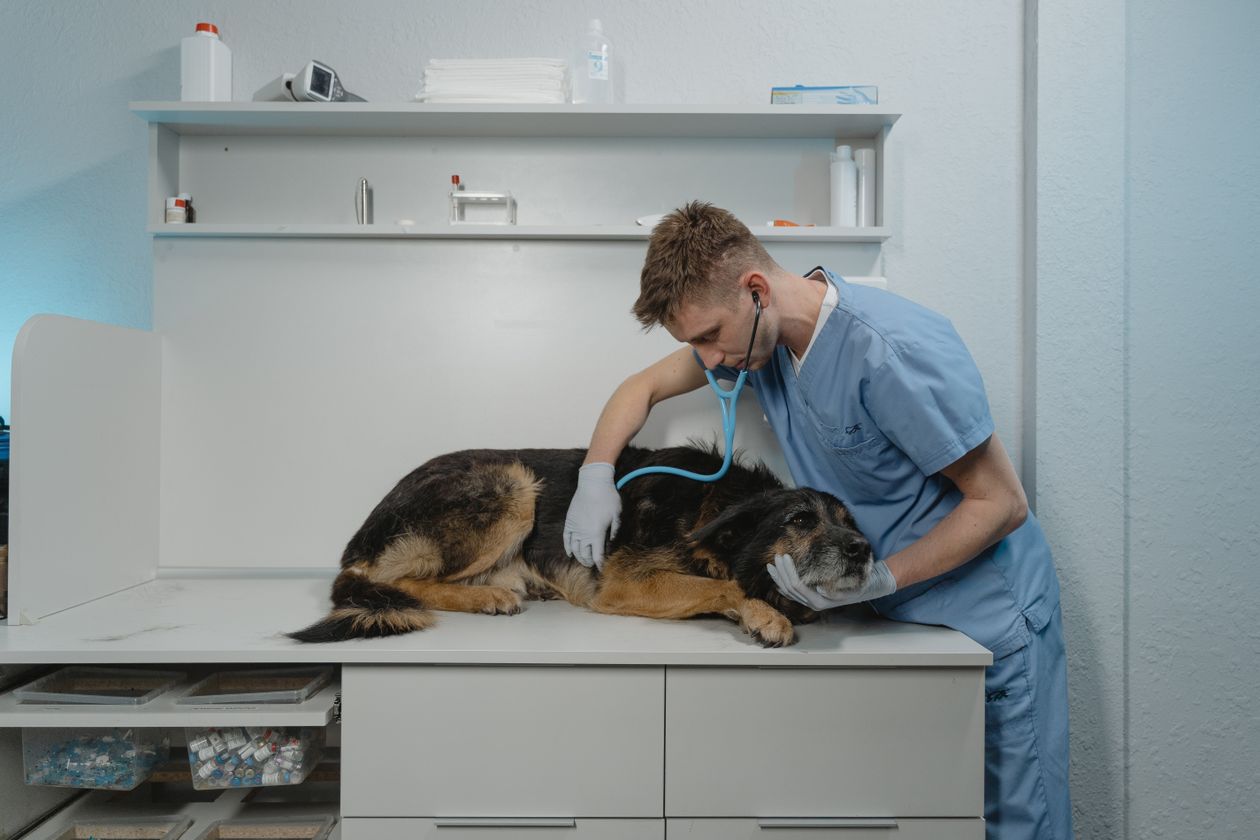
The cone is not optional, and other recovery truths
Licking is the top cause of incision problems, ahead of infection from any outside source. The cone, a recovery suit, or an inflatable collar must stay on when you cannot watch directly, including overnight, for the full period the clinic sets, commonly ten to fourteen days. Pets adapt within a day. Owners are the ones who cave on day three.
Activity restriction is the second truth. No running, jumping, or stairs beyond necessity while tissue heals, even when the pet feels wonderful by day four. Feeling good is the anesthetic and pain plan working, not the incision being healed. Clinics like Village Animal Hospital would rather field your day-five phone call about a red spot than meet the same incision opened on day nine, so call early and call with photos if they ask.
Common questions
My pet ate a little breakfast by accident. What do I do?
Tell the clinic exactly what and when. Do not hide it. Depending on the amount and timing, they may delay the start or reschedule, and that decision protects your pet.
How long does the cone really need to stay on?
Until the clinic clears it, commonly ten to fourteen days or until sutures are checked. Pets adapt quickly; incision damage from one unsupervised night is the risk you are avoiding.
When should I worry after surgery?
Call for an incision that opens, bleeds, smells, or swells fast, for vomiting that repeats past the first evening, for refusal to eat into the second day, or for a pet that cannot get comfortable.
Photos in this guide are representative stock images.
← All guides from Village Animal Hospital← Back to Village Animal Hospital