Dental disease is the most common health problem in adult dogs and cats, and the most ignored, because it hides under the gumline and because pets keep eating through mouths that hurt. By age three, most dogs and many cats show some periodontal disease. The damage is quiet: bacteria under the gum, bone loss around roots, and a low-grade infection the body fights every day.
This guide covers the signs you can see at home in Mooresville, what a professional cleaning actually involves, and why the anesthesia question owners worry about is the part that makes the cleaning real.
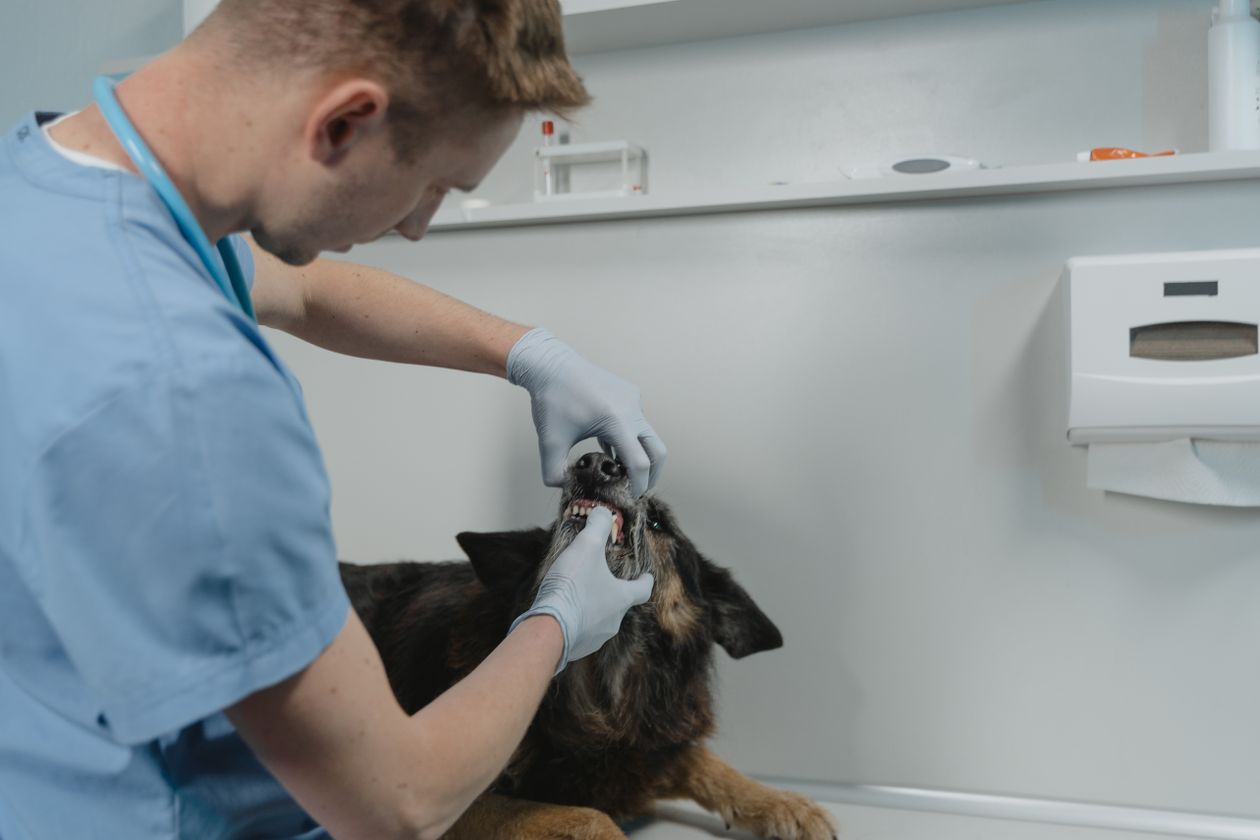
- Bad breath that goes beyond normal dog breath, often the first and most dismissed sign.
- Yellow-brown tartar along the gumline, especially on the big back teeth.
- Red, puffy, or bleeding gums, or a gumline that has pulled back from the tooth.
- Dropping kibble, chewing on one side, pawing at the mouth, or new reluctance with hard food and toys.
- Loose teeth, a swelling under one eye, or a draining sore on the face, which can mark a tooth root abscess.
- Behavior change in cats especially: hiding more, grooming less, or a sudden preference for soft food.
Why home brushing helps and where it stops
Daily brushing with pet toothpaste slows plaque before it mineralizes into tartar, and dental chews with the Veterinary Oral Health Council seal add a measurable assist. What home care cannot do is remove tartar that has already hardened, or clean the pocket under the gumline where the disease actually progresses. That is the line between maintenance and treatment, and a pet can have white-looking crowns with serious disease underneath, which is why the vet's oral exam probes below the gum.
What a professional cleaning involves
A real dental cleaning happens under general anesthesia. The teeth are scaled above and below the gumline with ultrasonic and hand instruments, polished to slow new plaque, and each tooth is probed and charted. Dental X-rays, taken while the pet sleeps, show the roots and bone that make up most of the tooth. Diseased teeth that cannot be saved are extracted, because a mouth without a rotten tooth heals and a mouth with one does not.
Cost conversations belong in this guide too, handled in relative terms: a planned cleaning costs a fraction of the emergency work that follows a tooth root abscess, a jaw weakened by bone loss, or the internal medicine workup for infection that has been seeding the bloodstream. Owners sometimes delay a cleaning hoping home care will reverse tartar. It will not, and the delay converts a cleaning into a cleaning plus extractions. Of all the places in pet care where waiting reliably raises both the bill and the suffering, dentistry is the clearest.
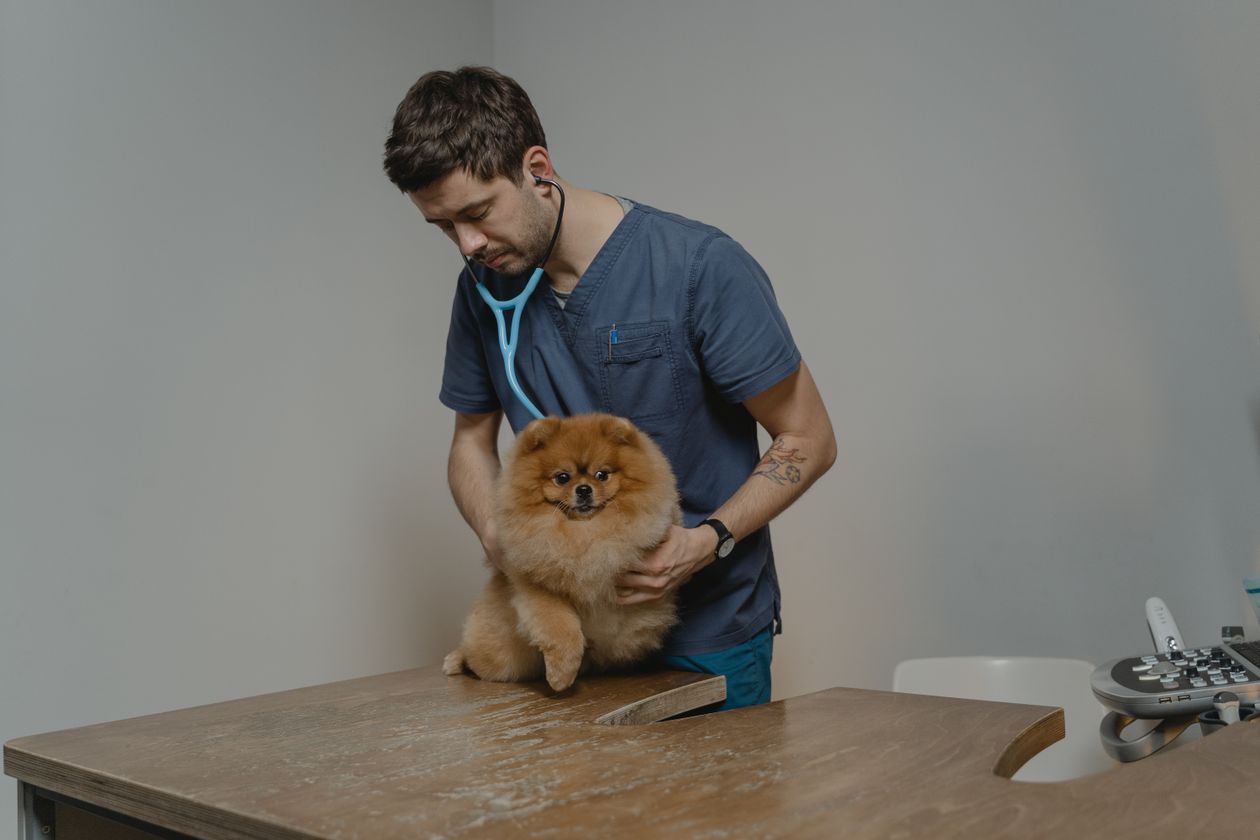
Small breeds deserve a specific warning. Toy and small dogs, and breeds with crowded jaws, build tartar faster and lose bone sooner, so their cleaning clock runs ahead of a large dog's. Cats hide a particular lesion called tooth resorption, painful and invisible above the gumline, which is one reason a cat that seems merely picky about kibble deserves an oral look rather than a food change.
The anesthesia question, answered straight
Owners reasonably ask about anesthesia risk, especially for older pets. Modern practice answers with a pre-anesthesia exam, bloodwork, IV fluids, and monitoring of heart, oxygen, and temperature through the procedure. For most pets, including most seniors with managed conditions, the risk of anesthesia is smaller than the risk of leaving infected teeth in place, which seeds bacteria to the heart, liver, and kidneys daily. Anesthesia-free cleanings sold outside clinics only scrape the visible crown. They leave the disease under the gum untouched while making the mouth look better, which is the worst combination.
If your pet's breath has changed, the gums look red, or eating habits have shifted, ask Village Animal Hospital for an oral exam at the next visit, or book one on its own. Dental disease is one of the few major problems in pet health that is almost entirely fixable once found.
Common questions
How often does a pet need a professional dental cleaning?
It varies by breed, size, and home care. Small dogs and many cats need cleanings every one to two years once tartar builds. Your vet grades the mouth at each exam and recommends timing.
Can I just brush my pet's teeth instead?
Brushing is excellent prevention and slows new plaque, but it cannot remove hardened tartar or clean under the gumline. Think of brushing as delaying and reducing cleanings, not replacing them.
Is anesthesia safe for my older pet?
For most seniors, yes, with pre-anesthesia bloodwork and monitoring. Age alone is rarely the deciding factor; overall health is. Leaving dental infection untreated carries its own serious risks.
Photos in this guide are representative stock images.
← All guides from Village Animal Hospital← Back to Village Animal Hospital