Vaccine schedules look complicated because they mix three different logics: the law, which mandates rabies; core medicine, which protects every dog and cat against common severe diseases; and lifestyle, which adds protection based on where your pet actually goes. Untangle those three and the schedule on your clinic's printout starts to read clearly.
This guide sorts the standard dog and cat vaccines for Mooresville pets, explains puppy and kitten intervals, and covers the side effects that are normal versus the ones worth a phone call.
| Vaccine | Who gets it | Logic and rhythm |
|---|---|---|
| Rabies | All dogs and cats | Required by North Carolina law. First shot as a youngster, booster at a year, then every one or three years by product. |
| DHPP (distemper combo) | All dogs | Core. Puppy series every 3-4 weeks to about 16 weeks, booster at a year, then every 1-3 years. |
| FVRCP (distemper combo) | All cats | Core. Kitten series on the same puppy-style rhythm, then boosters by risk and product. |
| Bordetella | Dogs that board, groom, or do daycare | Lifestyle. Kennel cough protection, commonly boosted every 6-12 months for group settings. |
| Leptospirosis | Most dogs in NC | Lifestyle leaning core here: spread through wildlife urine in water and soil, common in the Piedmont. Annual. |
| Lyme | Dogs with tick exposure | Lifestyle. Yards, woods, and trails around Lake Norman carry ticks. Annual after an initial series. |
| FeLV | Kittens and outdoor cats | Lifestyle. Feline leukemia spreads cat to cat; all kittens start it, outdoor cats continue it. |
| Canine influenza | Social dogs in outbreak areas | Lifestyle. Asked about when regional cases rise or for heavy boarding and show schedules. |
Why puppies and kittens go so often
Young animals start life borrowing immunity from their mother, and that borrowed protection blocks vaccines while it lasts. It fades at different rates in each animal, so the series repeats every three to four weeks until about sixteen weeks, catching each puppy or kitten as its own immunity can respond. Skipping the last round because the pet looks healthy is the common error: that final booster is often the one that actually lands.
Two schedule traps catch Mooresville owners every year. The first is the boarding deadline: a camp stay booked months ahead, with a bordetella booster expiring the week before it. The second is the rabies gap discovered at a groomer or after a bite incident, when the certificate suddenly matters legally. Both are solved by the same habit: when you book travel, boarding, or a move, check the vaccine dates in the same sitting and put any needed booster two or more weeks ahead of the deadline. Clinics can almost always fit a booster. They cannot backdate one.
Finally, a note on titers, the blood tests that measure antibody levels. Owners ask whether titers can replace boosters. For some core vaccines they can document protection and guide timing, and vets use them in specific cases. Rabies is the exception: the law recognizes vaccination, not titer results, so the rabies schedule holds regardless.
After the visit: normal vs. call
Normal: a quiet pet for a day, mild soreness at the injection site, a small lump that fades over weeks, slight sleepiness after a big puppy visit. Call the clinic for facial swelling, hives, vomiting that repeats, trouble breathing, or collapse, which are rare allergic signs that appear within hours. Tell the clinic about any strong reaction before the next round, because vets adjust product, spacing, or pre-treatment for that pet's future visits.
Keep your records straight if you use more than one provider, a groomer, or a boarding camp, because camps ask for bordetella currency and the law asks for rabies currency, and the certificate that settles both lives with your primary clinic. Village Animal Hospital can pull your pet's schedule into one printout, which is the document every other pet business in your life will ask to see.
Common questions
Does my indoor cat need rabies vaccination?
Yes. North Carolina law requires it for cats as well as dogs, and bats, the most common rabies carrier here, do get into houses. Indoor status does not remove the legal or medical case.
Can vaccines be spread out to be gentler?
Vets can space vaccines across visits for small or reactive pets. What should not change is completing the puppy and kitten series on schedule, since timing there is driven by fading maternal immunity.
Why does boarding require bordetella more often than my vet suggests?
Group settings raise exposure sharply, and bordetella protection fades within a year. Camps set six or twelve month rules to protect the whole group. It is an exposure policy, not a disagreement with your vet.
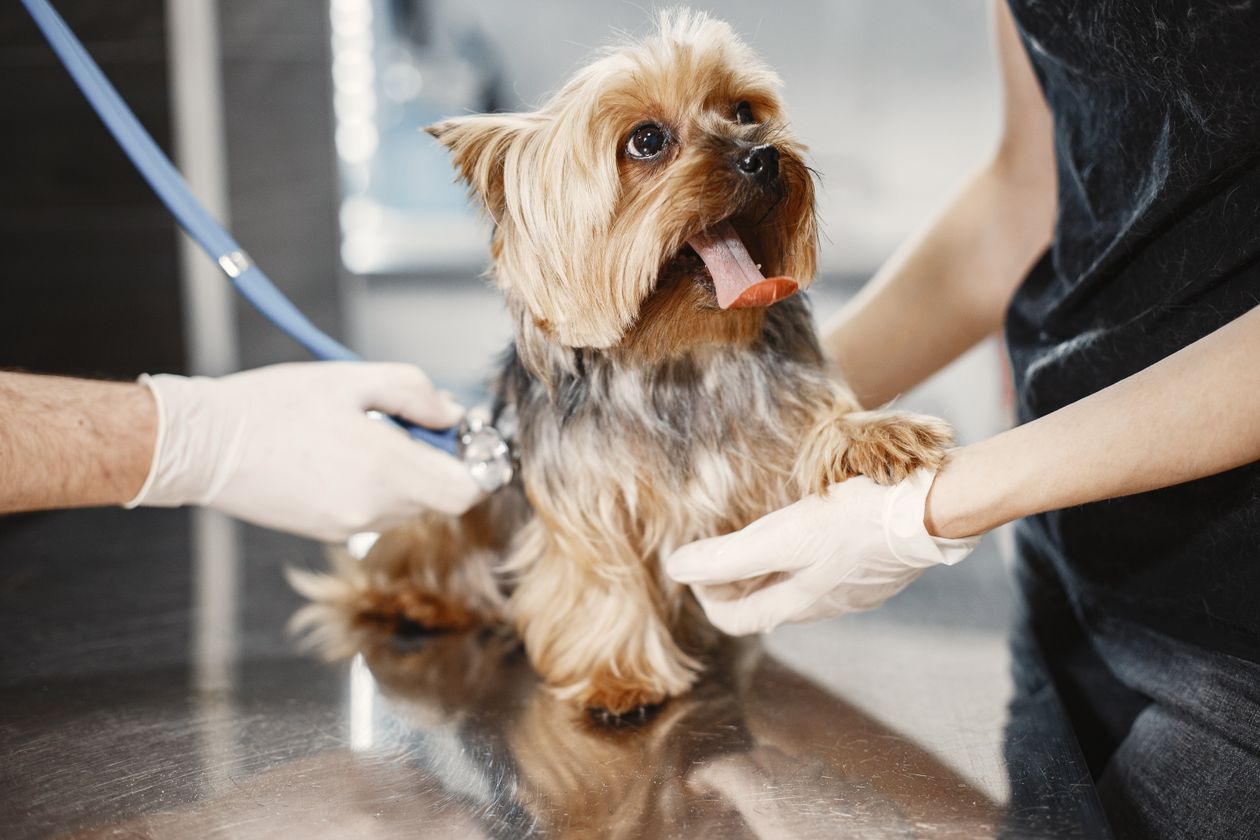
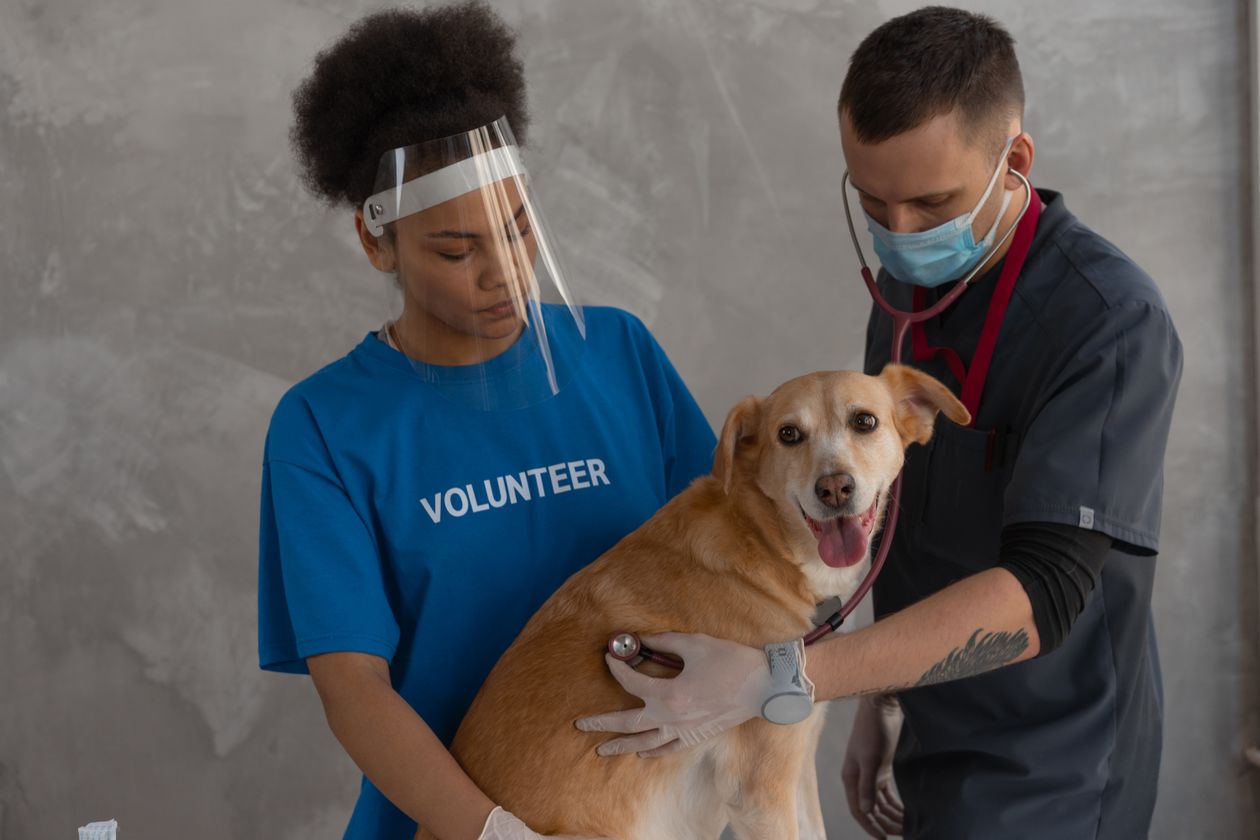
Photos in this guide are representative stock images.
← All guides from Village Animal Hospital← Back to Village Animal Hospital